
Can a Smoke Alarm Be Installed on a Wall? Installation Rules Explained
Smoke alarms are a critical part of home safety, providing early warnings in case of fire. Many homeowners ask can a smoke alarm be installed on a wall, especially when ceiling placement is not possible due to structural limitations or design preferences.
Understanding the correct installation rules is essential to ensure compliance with safety standards and to maintain effective performance. This guide explains placement options, legal requirements in Queensland, and best practices for installation. With expert insights aligned with services from REPARE Electrical & Air Conditioning, homeowners can make informed decisions about their smoke alarm systems.
Understanding Smoke Alarm Placement
Proper placement of smoke alarms is essential for detecting smoke quickly and ensuring occupant safety. While ceiling installation is generally recommended, wall installation may be allowed under specific conditions.
Standard placement guidelines
In most cases, smoke alarms should be installed on ceilings because smoke rises and accumulates at the highest point in a room. However, wall installation is permitted when ceiling mounting is not practical. Understanding can a smoke alarm be installed on a wall helps ensure that even alternative placements meet safety standards.
Why placement affects performance
The effectiveness of a smoke alarm depends on its ability to detect smoke early. Poor placement can delay detection and reduce response time during emergencies. Following Brisbane smoke alarms guidelines ensure that alarms function correctly and provide maximum protection for occupants.
Can a Smoke Alarm Be Installed on a Wall?
Yes, a smoke alarm can be installed on a wall, but it must meet specific guidelines to ensure it functions properly and complies with Australian standards.
Wall installation requirements
When installing a smoke alarm on a wall, it should be placed close to the ceiling, typically between 300 mm and 500 mm below it. This positioning ensures that rising smoke reaches the alarm quickly, allowing for early detection and timely alerts.
Situations where wall installation is used
Wall installation may be necessary in certain scenarios where ceiling installation is not suitable. These situations include structural limitations or specific design requirements within the property.
Common scenarios include:
- Sloped or high ceilings where placement is difficult
- Concrete ceilings that restrict wiring
- Renovated spaces with limited ceiling access
- Areas where ceiling placement may affect aesthetics
Understanding can a smoke alarm be installed on a wall in these situations helps homeowners make informed installation decisions.
Brisbane Smoke Alarm Regulations
Queensland has strict regulations to ensure that all residential properties are equipped with effective smoke detection systems. These laws are designed to improve safety and reduce the risk of fire-related incidents.
Legal requirements for installation
Smoke alarms must meet specific standards to comply with Brisbane smoke alarms regulations. These include using photoelectric alarms, ensuring interconnection between devices, and placing alarms in key areas throughout the home.
Key requirements include:
- Installation in every bedroom and hallway
- Interconnection between all alarms
- Compliance with Australian safety standards
- Installation on every level of the property
Compliance and safety importance
Meeting these requirements is essential not only for legal compliance but also for ensuring the safety of occupants. Professional fire alarm installation in Brisbane services help ensure that all systems are installed correctly and meet current regulations.
Ceiling vs Wall Installation: Key Differences
Choosing between ceiling and wall installation depends on the structure of your home and specific installation needs.
Performance differences
Ceiling-mounted alarms are generally more effective because smoke rises naturally and accumulates near the ceiling. This allows for faster detection compared to wall-mounted units, which rely on correct positioning to function effectively.
Practical considerations
Wall installation is a practical alternative when ceiling placement is not possible. However, it requires careful positioning to ensure that performance is not compromised.
Key considerations include:
- Ceiling placement offers optimal detection
- Wall placement requires precise positioning
- Both must comply with safety standards
- Installation should suit the room layout
Installation Process Explained
Understanding how smoke alarms are installed helps homeowners ensure that the process is completed correctly and safely.
Steps involved in installation
The installation process begins with assessing the property layout and identifying the most effective locations for alarms. This is followed by installing the units, connecting them if required, and testing the system to ensure proper operation.
Importance of professional installation
Professional installation ensures that all components are correctly placed and fully compliant with regulations. REPARE Electrical & Air Conditioning provides installation services that prioritise safety, accuracy, and long-term reliability.
Common Mistakes to Avoid
Avoiding common mistakes is essential for ensuring that smoke alarms function effectively in all situations. Even small errors in placement or maintenance can significantly reduce the ability of an alarm to detect smoke early and provide timely warnings. Understanding these common issues helps homeowners maintain a safe and compliant system.
Placement and positioning errors
Incorrect placement is one of the most frequent mistakes. Installing alarms too far from the ceiling, too close to corners, or near air vents and windows can interfere with smoke detection. Airflow from vents may push smoke away from the alarm, delaying activation.
When considering can a smoke alarm be installed on a wall, it is especially important to follow recommended height guidelines and avoid locations that may disrupt airflow. Proper positioning ensures that rising smoke reaches the alarm quickly, allowing it to respond effectively in an emergency.
Maintenance and usage issues
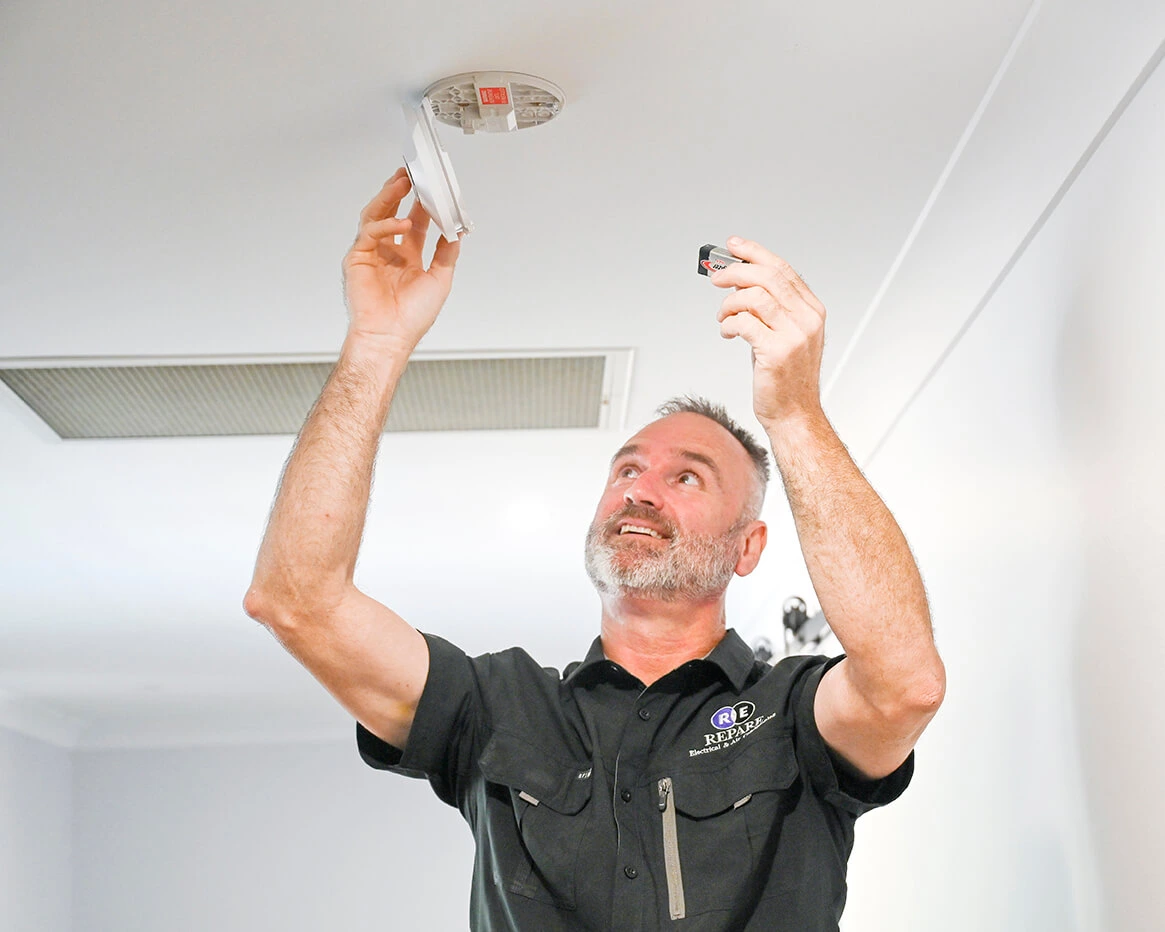
Neglecting regular maintenance is another common issue that affects performance. Smoke alarms require consistent testing to ensure they are functioning correctly. Failing to replace batteries, clean dust buildup, or check interconnection between alarms can lead to system failure when it is needed most.
Regular maintenance not only improves reliability but also extends the lifespan of the alarm. Homeowners should establish a routine schedule for testing and servicing to ensure continuous protection and compliance with safety standards.
Maintenance and Testing Requirements
Regular maintenance is necessary to ensure that smoke alarms continue to operate effectively over time.
Routine maintenance practices
Homeowners should test alarms monthly, clean them regularly, and replace batteries as needed. These simple steps help maintain system performance and reduce the risk of failure during emergencies.
Professional servicing benefits
Professional servicing ensures that all alarms are functioning correctly and meet compliance standards. REPARE Electrical & Air Conditioning offers maintenance services that support long-term safety and reliability.
Integration with Other Home Systems
Modern homes often integrate smoke alarms with other systems to improve overall safety and functionality.
Electrical system integration
Smoke alarms can be connected to the home’s electrical system, ensuring consistent power supply and reliable operation. This integration also allows for interconnection between alarms for better coverage.
Supporting other services
Service providers offering air conditioning repair can also assist with maintaining electrical systems, ensuring that all components within the home operate efficiently and safely together.
Cost Considerations for Installation
The cost of smoke alarm installation varies depending on the size of the property and the number of alarms required.
Factors influencing cost
Several factors determine installation costs, including the complexity of the setup, the type of alarms used, and the overall layout of the property.
Value of proper installation
Investing in professional installation ensures that alarms are positioned correctly and meet all safety requirements. This reduces the risk of future issues and ensures long-term reliability.
Choosing the Right Service Provider
Selecting a qualified provider is essential for ensuring proper installation and compliance with safety standards.
Key qualities to consider
Experience, knowledge of regulations, and a strong track record are important when choosing a provider. These factors ensure that installations are completed correctly and efficiently.
Role of professional expertise
Working with experienced providers like REPARE Electrical & Air Conditioning ensures that installations are carried out safely and in line with all requirements. This helps maintain compliance and improves overall system performance.
Conclusion
Understanding can a smoke alarm be installed on a wall is essential for ensuring proper placement and compliance with safety regulations. While wall installation is allowed in certain situations, correct positioning is critical to maintaining effectiveness.
By following Brisbane smoke alarms guidelines and seeking professional assistance, homeowners can ensure their systems are safe and compliant. For more information or assistance, visit the contact us page at REPARE Electrical & Air Conditioning.
FAQs
Q1. Can a smoke alarm be installed on a wall legally?
Yes, but it must follow specific placement guidelines and comply with Australian standards.
Q2. What are the placement rules for Brisbane smoke alarms?
They must be installed in bedrooms, hallways, and each level of the home, with proper positioning for effective detection.
Q3. How far from the ceiling should a wall-mounted alarm be?
It should be installed between 300 mm and 500 mm below the ceiling.
Q4. Do I need professional installation?
Professional installation ensures compliance and proper system performance.
Q5. Can smoke alarms work with other home systems?
Yes, they can integrate with electrical systems and be maintained alongside services like air conditioning repair.
