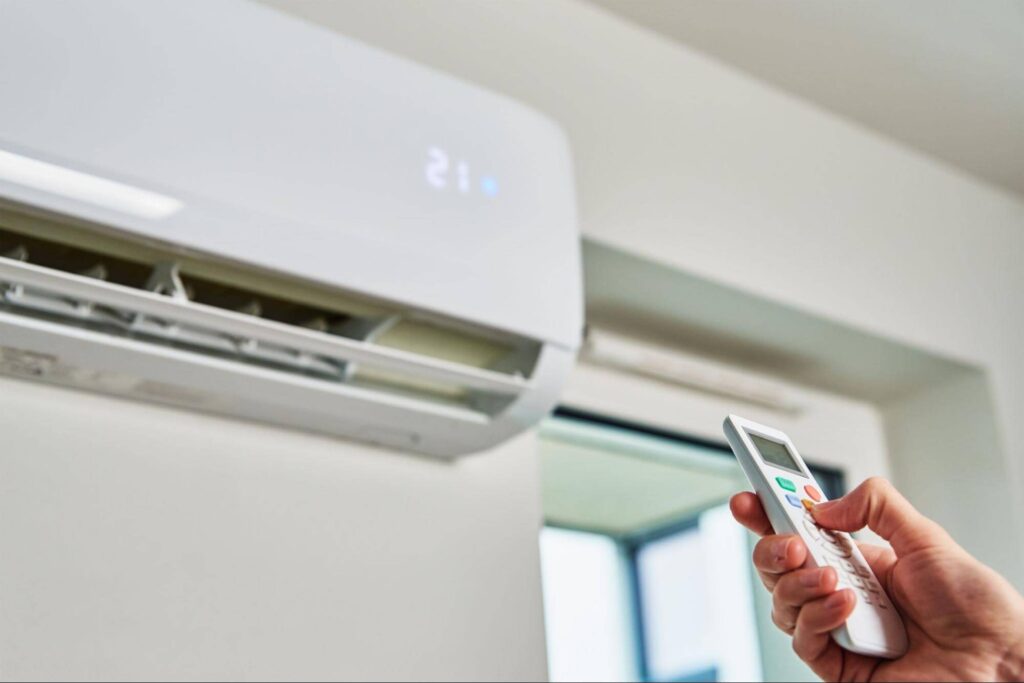
Choosing the right size air conditioning unit is about more than comfort. It affects your energy efficiency, running costs and how long your system lasts. If your air conditioner is too small, it will struggle to cool your home. If it is too big, it will turn on and off too often, wasting energy and wearing out sooner. So how do you know what size air conditioner is right for your home? At REPARE Electrical & Air Conditioning, we help homeowners across Brisbane, Logan and the Gold Coast find the perfect system for their space. We make sure every unit we install keeps your home cool, efficient and comfortable all year round.
Why Air Conditioner Size Matters
Many people assume a bigger unit will cool their home faster, but that is not always true. The size of an air conditioner, measured in kilowatts (kW), shows how much heat it can remove from the air each hour.
A system that is too small will:
- Run constantly without reaching your desired temperature
- Use more energy
- Wear out faster due to overuse
A system that is too large will:
- Cool the room too quickly without removing humidity properly
- Turn on and off frequently, increasing energy costs
- Create uneven temperatures and more maintenance issues
Getting the size right ensures your unit operates efficiently, keeps your bills low and lasts longer.
Factors That Affect Air Conditioner Size
Every home is different, so there is no single rule for everyone. When our team at REPARE helps you select a unit, we look at several key factors.
Room Size and Layout
The size of the area you want to cool is the most important factor. Generally, the larger the space, the more cooling power you will need.
- Small bedroom up to 14-18m²: about 2.5kW
- Medium living area 18–35m²: about 3.5–5kW
- Large open-plan space 35–60m²: about 6–9kW
Rooms with high ceilings or open layouts may need a larger unit to maintain even cooling.
Insulation and Building Materials
Homes with poor insulation or older windows lose cool air faster. Upgrading insulation or sealing gaps can reduce the size and cost of the unit you need.
Orientation and Sun Exposure
If your home faces north or west and receives strong afternoon sun, you may need a slightly higher capacity unit to offset the extra heat.
Number of Occupants and Appliances
People and appliances both generate heat. Kitchens and living rooms with multiple appliances will need more cooling power than bedrooms.
Climate
Queensland’s warm, humid climate means air conditioning systems work harder. Choosing the right size and type of unit helps maintain comfort while keeping energy use under control.
Split System vs Ducted Air Conditioning
The type of air conditioner you choose also affects the size and layout of the system.
Split System Air Conditioning
Split systems are ideal for cooling a single room or small area. Each indoor unit connects to an outdoor condenser. Sizing is straightforward, with one unit per space. For example, a 25m² bedroom may need a 2.5kW split system, while a 40m² living area could require around 5–6kW.
Ducted Air Conditioning
Ducted systems cool multiple rooms through vents connected to a central unit. Sizing depends on the total home area, zoning and duct layout. Airflow losses through ducts also play a role, which is why professional design and installation are so important.
At REPARE, we handle both split and ducted systems and ensure your setup is correctly sized and zoned for your home’s layout.
Electrical Capacity Considerations
Because REPARE also specialises in electrical work, we understand the importance of ensuring your switchboard and wiring can handle the load of a new air conditioner. If your home’s electrical system is outdated, it might struggle with a high-capacity unit. Our licensed electricians can check your switchboard, upgrade it if necessary and install dedicated circuits for safe and reliable operation.
Why Professional Sizing and Installation Matters
Online calculators can only give a rough estimate. They do not consider the specific features of your home or Queensland’s conditions. A professional assessment ensures your unit is the right size for your lifestyle and environment.
When you book with REPARE, our qualified technicians:
- Measure your home and check insulation, layout and electrical capacity
- Recommend the most suitable system type and energy rating
- Provide an honest quote that covers everything, including any electrical work
- Install your system safely and to Australian standards
This detailed process means better performance, lower energy costs and fewer maintenance problems in the long run.
Maintaining Efficiency and Air Quality
Even the best-sized system will not perform well if it is not looked after. Dust, mould and blocked filters can make your air conditioner work much harder.
REPARE provides full maintenance and cleaning services, including:
- Air conditioning servicing and repairs
- Deep cleaning and mould removal
- Filter checks and replacements
- Efficiency testing and performance checks
Regular maintenance keeps your air conditioning system efficient, safe and healthy for your family.
How to Get Started
If you are wondering, “What size air conditioning unit do I need for my home?”, the answer depends on more than just square metres. The best way to find out is to have a professional assessment. At REPARE Electrical & Air Conditioning, we take care of everything. From selecting the right size and system type to installation and long-term servicing, we are here to make sure your air conditioner performs perfectly year-round.
Ready to Find The Right Air Conditioning Unit For Your Home?
Get in touch with the experts at REPARE Electrical & Air Conditioning today. We will help you choose a perfectly sized, energy-efficient air conditioning system that keeps your home cool and comfortable through every Queensland summer.
Call us or contact us online to request your quote today.
